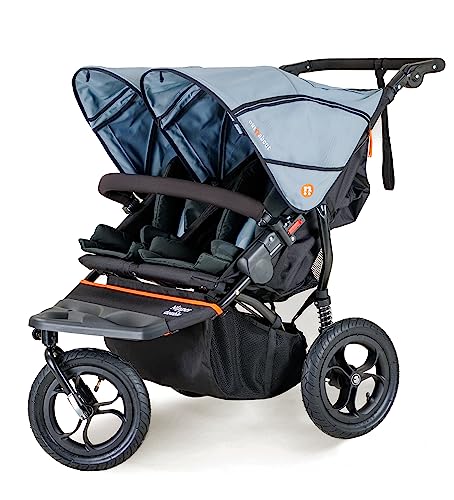
The Rise of 3-Wheeler Buggies: An Informative Overview
Recently, the automotive world has experienced the introduction of ingenious vehicle designs that accommodate various requirements and choices. Among 3 Wheeled Stroller , the 3-wheeler buggy has actually sculpted a specific niche for itself. Suitable for recreational activities, city travelling, and even farming jobs, 3-wheeler buggies provide versatility and benefit that conventional lorries might not offer. This post will look into the features, benefits, and factors to consider of 3-wheeler buggies, while likewise resolving some regularly asked questions about this developing mode of transport.
Intro to 3-Wheeler Buggies
3-wheeler buggies, as the name recommends, have three wheels, usually consisting of two in the rear and one in the front. Unlike traditional cars, which normally have 4 wheels, these buggies are constructed with lightweight materials, improving agility and maneuverability. Their compact design makes them ideal for metropolitan in addition to rural environments, providing a distinct option to the modern-day commute.
Secret Features of 3-Wheeler Buggies
| Function | Description |
|---|---|
| Engine Type | Typically powered by small gas or electrical engines, making them eco-friendlier. |
| Capacity | Usually seats 2-4 travelers, with luggage area for fundamentals. |
| Design | Open or semi-enclosed design for adaptability and convenience. |
| Fuel Efficiency | Typically more fuel-efficient than conventional lorries, minimizing operational expenses. |
| Weight | Lightweight construct allows for greater dexterity and ease of use. |
| Expense | Comparatively lower initial purchase cost, making it available for lots of users. |
Benefits of 3-Wheeler Buggies
- Cost-Effective: The preliminary purchase, upkeep, and fuel cost are generally lower than that of four-wheeled automobiles.
- Alleviate of Handling: Their compact size makes them simpler to browse through difficult situations, especially in metropolitan settings.
- Flexibility: Suitable for various applications, from individual transportation to farming work, and recreational activities.
- Fuel Efficiency: Many models offer exceptional mileage, which equates to lower fuel costs with time.
- Eco-Friendly Options: Some 3-wheeler buggies are developed to run on electric power, reducing carbon footprints.
Typical Uses of 3-Wheeler Buggies
| Function | Description |
|---|---|
| Travelling | Perfect for short-distance travel within metropolitan locations. |
| Leisure Driving | Fun lorries for recreation such as beach getaways or camping. |
| Agriculture | Utilized for transporting goods over brief ranges on farms. |
| Tourism | Utilized in traveler locations for guided trips or rental services. |
| Emergency situation Services | Helpful for fast reaction in remote areas where traditional lorries can not navigate. |
Requirements of Popular 3-Wheeler Buggies
When considering 3-wheeler buggies, understanding the particular designs and their specs is crucial. Below is a table showcasing some popular models:
| Model | Engine Type | Seating Capacity | Weight (kg) | Fuel Efficiency (km/l) | Price (GBP) |
|---|---|---|---|---|---|
| Buggies USA Sport | 500cc Gas Engine | 4 | 250 | 30 | ₤ 6,500 |
| Automobile Rickshaw V1 | Electric Motor | 2-3 | 150 | 25 | ₤ 4,000 |
| Eagle Buggies X3 | 300cc Gas Engine | 2 | 220 | 35 | ₤ 5,500 |
| Tuk Tuk Classic | 700cc Gas Engine | 3 | 300 | 28 | ₤ 7,000 |
| Camp Buggy 3R | 600cc Gas Engine | 2 | 280 | 32 | ₤ 5,800 |
Upkeep Tips for 3-Wheeler Buggies
Correct upkeep is necessary for ensuring the longevity and performance of a 3-wheeler buggy. Here are some suggestions to bear in mind:
- Regular Inspections: Conduct regular checks on the tires, brakes, and engine.
- Oil Changes: Change engine oil as suggested by the manufacturer to maintain efficiency.
- Battery Care: If electrical, guarantee the battery is charged and functioning well.
- Cleaning: Keep the buggy tidy to prevent rust and wear, particularly if used in farming settings.
- User Manual: Always refer to the user handbook for particular upkeep schedules or suggestions.
Frequently Asked Questions about 3-Wheeler Buggies
1. Are 3-wheeler buggies safe to drive?
- Yes, when driven responsibly and kept correctly, 3-wheeler buggies are safe. They feature safety functions and have a lower center of mass, offering better stability.
2. Can I drive a 3-wheeler buggy on public roadways?
- Regulations differ by location. Some locations allow 3-wheelers on public roadways with correct licensing, while others limit their usage. It is recommended to inspect regional laws.
3. What maintenance do 3-wheeler buggies require?
- Regular upkeep consists of oil modifications, brake checks, tire evaluations, and cleaning to guarantee toughness and efficiency.
4. Are 3-wheeler buggies fuel-efficient?
- Yes, a lot of models are designed to be fuel-efficient, offering higher mileage compared to many four-wheeled cars.
5. Can I personalize my 3-wheeler buggy?
- Lots of producers provide personalization options for looks and performance improvements, so it is certainly possible.
The versatility, price, and effectiveness of 3-wheeler buggies place them as a compelling option in today's transportation landscape. Whether for commuting, entertainment, or farming, these buggies offer a practical alternative to conventional cars. With a series of models available and the potential for modification, consumers are encouraged to consider a 3-wheeler buggy that fits their particular requirements. As this sector continues to grow, enjoyment around these automobiles is sure to increase, further incorporating them into the every day lives of users throughout the world.